Table Of Content

A healthcare provider might recommend using minoxidil (Rogaine®). You can purchase the 2% or 5% solution over the counter (OTC). However, you have to follow directions exactly and use the product indefinitely. Don’t use this product if you’re pregnant, if you plan to get pregnant or if you’re breastfeeding (chestfeeding). ‘Some of the most common issues I hear about are hair shedding, thinning, drier feeling hair but also greasy roots,’ says Douglas. This usually isn't noticeable because new hair is growing in at the same time.
Thinning Hair on the Scalp
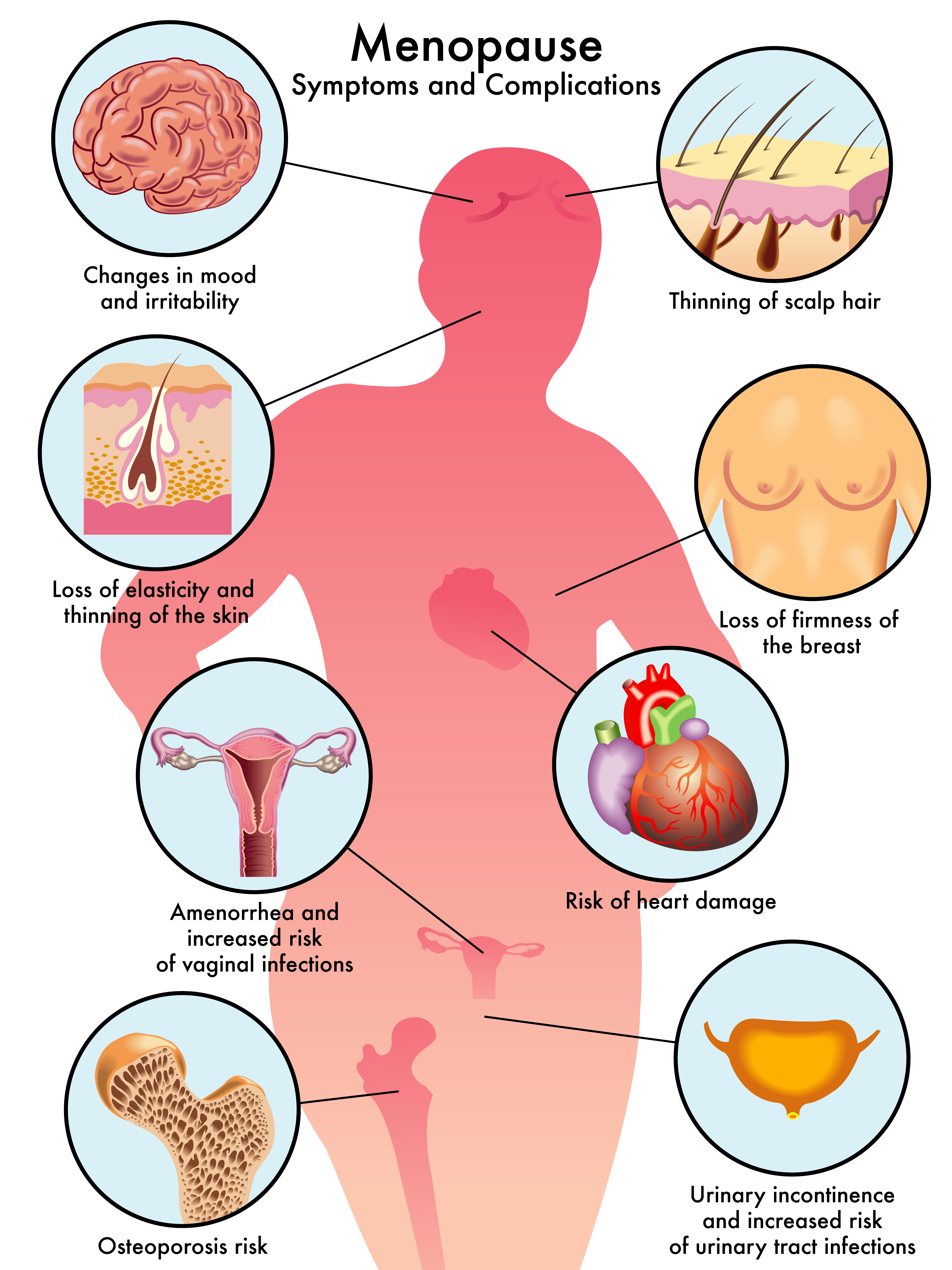
As we’re busy losing hair on our heads, we may start to notice some extra strands appearing on our faces. This is because as estrogen and progesterone fall, male hormones, known as androgens, can increase. They’re also responsible for hair follicle shrinkage, which makes the hair shaft thinner, causing more hair loss from the head. The type of hair loss in menopause is defined as female pattern alopecia or hair loss, formerly called androgenic alopecia or androgenetic alopecia, and is the most common hair loss disorder in women. Female pattern hair loss occurs when the size of hair follicles decreases, causing hair thinning and fewer hairs on the head.
Is perimenopause causing your hair to change? - The Independent
Is perimenopause causing your hair to change?.
Posted: Fri, 22 Dec 2023 08:00:00 GMT [source]
Symptoms of Menopause and Perimenopause
Eating a well-balanced diet that is high in nutrients can aid in the reduction of hair loss. Laser treatments, also known as light therapy, work by applying low-intensity light to the scalp, triggering a reaction that signals new hair to grow. It’s thought that light increases the number of hair follicles and increases hair strength.
Can the Weight Loss Drugs Tirzepatide and Semaglutide Help With Weight Gain During Menopause?
While hair loss isn’t itself dangerous, losing your hair is an emotional experience. Unwanted changes to your appearance can influence your self-esteem and social life. Some people find comfort in talking with a mental health professional if their hair loss causes discomfort.
Essential guides
Women with androgenetic alopecia will usually experience gradual thinning of the hair, typically on the top of the scalp and some women notice their hairline receding. The type and severity of hair loss you experience may determine the outcome (prognosis). Some types of hair loss are permanent, especially if you have damage to your hair follicles.
Harvard Health Publishing
Luckily, there are several possible solutions, including natural therapies and medications, to address the root causes of menopausal hair loss. When talking about menopause and hair loss, it’s helpful to know how hormones affect hair growth and loss. Rogaine (minoxidil), an over-the-counter hair-loss treatment for male pattern baldness, may help people with androgen-related hair loss as well. Research shows topical Rogaine treatments can promote hair regrowth with female-pattern baldness, which can occur during menopause. You may be familiar with LED light therapy for aging skin and easing acne, but did you know it can help with hair growth as well?
Menopausal Hair Loss: Causes and Solutions KCM - Katie Couric Media
Menopausal Hair Loss: Causes and Solutions KCM.
Posted: Wed, 27 Sep 2023 07:00:00 GMT [source]
What you eat also has a big impact on your hormones, which are the driving force behind menopausal hair loss. Hair loss during menopause is natural and expected, but there are steps you can take to take care of your scalp and encourage growth. Add a growth serum to your routine, massage your scalp at least weekly, exfoliate the scalp weekly, and look into microneedling treatments. Visit your dermatologist to discuss oral medication options such as spironolactone.
Working with a counselor or therapist in menopause is an excellent way to find support, learn body acceptance, and address your psychological well-being during this life phase. A hair pull test may help to estimate the severity of hair loss. To perform a pull test, your doctor will bundle about 50 hairs and firmly pull them. If you lose more than 10% of the hair, the test is positive for active hair loss. Understanding your family history, the onset of hair loss, and other symptoms that may accompany it is an important step in determining the best treatment approach.
As indicated by one research review, the remedy can promote hair growth in men and women6 by helping hair follicles enter the anagen phase. For most women, menopause related hair loss will look very similarly to female pattern hair loss. And in general, women tend to experience thinning all over, rather than loss in spots or patches (although that’s certainly not abnormal).
Tell-tale signs of hair loss connected to menopause include a diminished size of the hair strand and a slightly increased rate of shredding. “If hair loss occurs rapidly, or is accompanied by scalp irritation, there is likely something else going on,” says Dr. Wendel. To prevent further damage to your hair, practice gentle hair care. Avoid using heated styling tools, including blow dryers, straighteners, curling irons, and hot curlers. Research has found those who experience hair loss during menopause may not be getting all the nutrients they need.
Everybody is unique, and it’s best to consult with your health care practitioner for a more individualized approach. If you have hair loss due to stress or hormone changes like pregnancy, you may not need treatment. In addition, a healthcare provider might recommend forms of light therapy like using the HairMax Lasercomb®. Another FDA-approved laser product is the Theradome LH80 PRO® helmet and low-light laser helmets and caps. If you're noticing a change in texture to your hair, your strands are starting to thin or you're shedding way more hair than usual – don't stress, because there are a number of very normal reasons. Most baldness is caused by genetics (male-pattern baldness and female-pattern baldness).
As you approach menopause (at least a year without menstruating), hormonal shifts can cause symptoms including skin changes. Women hit the peak of their careers at the same time hot flashes, brain fog, and other menopause symptoms strike. Yes, it’s possible to prevent further hair loss and regrow some hair using various conventional and naturopathic approaches. You can use many of the treatment strategies discussed in this article concurrently.
I’ve found that a low GI diet has improved the health and texture of my hair, but that’s not all. Eating this way has helped me to stave off menopause related weight gain, and it’s also stabilized my energy levels, too. Previously, I’d often crash in the afternoon after eating my lunch. I’d suddenly feel tired and sleepy, which is far from ideal as a doctor in a busy emergency room.



No comments:
Post a Comment